
- Alive and Well Acupuncture1200 NW 17th Ave Suite 4
Delray Beach Florida 33445561-272-7816 - Sign up to receive news and updates and get my free report:“The Top 10 Reasons to Try Acupuncture”


Health WellNews
The Pessimist’s Guide to Gratitude
 Your mother was right–say thank you.
Scientists have now proven what your mother always knew–it’s good to be grateful. Being grateful is more than just politeness; it’s actually good for your health and well-being.
In a study by Robert A. Emmons, of the University of California, and Davis and Michael E. McCullough, of the University of Miami, ( http://1.usa.gov/1Ja5vR9 ) people who kept gratitude journals showed higher levels of health and well-being than people who journaled neutral events or counted hardships. After 2 months, the people who journaled their gratitude felt more optimistic and happier than their control counterparts. They reported fewer physical problems and spent more time working out. People with neuromuscular problems who did the same thing fell asleep more quickly, slept longer and woke up feeling more refreshed. Even their spouses noticed the difference!
How can you cultivate gratefulness even if you’re a glass-half-empty person?
The first step for pessimists is to fake it ( http://bit.ly/1OupjjR ). Write down what you’re grateful for, even if you don’t feel it at the moment. Eventually the habit of finding life’s gifts will change your outlook.
Keep your gratitude list simple. Write down 5 things you’re grateful for every day. Use short, simple sentences, but be specific. “I’m grateful for my son” is less effective than “I’m grateful my son snuggled next to me before bed.”
Carry a traveling gratitude journal ( http://nyti.ms/1YivBYZ ). Buy a mini-notebook or use a note-taking app on your smart phone. Count the things you’re grateful for as they happen.
And finally, write a gratitude letter. Send a letter to someone who influenced your life and tell them how much you appreciated their support. You’ll feel happy and you’ll make them feel happy.
The trick to building gratefulness is to do it often and regularly. While the end of the year is a good time to celebrate gratefulness as a holiday, take the habit into your everyday life. Soon you will notice that you feel lighter and happier.
I am grateful to all of you for an extraordinary year. It has been my pleasure to work with you and support your health. Thank you for a wonderful 2015 and may this next year bring you health, prosperity and happiness.
7 Tips to be Stress-Free During the Holidays
Keep a routine
It is especially easy to lose your normal routine during the holidays due to festivities and the special occasions that tend to happen this time of year. Don’t abandon your healthy habits, keep your usual routine of diet and exercise, which is especially important when holiday foods and drinks come around. Try keeping a calendar to keep better track of your schedule.
Prioritize
It is easy to take on too much during this time of year. On top of your normal schedule, there is the obligation to see family, attend gatherings and gift-giving. You can only do so much! Prioritize and don’t be afraid to say no if you simply don’t have enough time to commit to something. The holiday season is busy and overwhelming, but it doesn’t have to be.
Watch the wallet
There is nothing that will stress you out more in the long run than spending too much money during the holidays. Make a budget and stick with it. It is incredibly easy to overspend during this time. Budget and allow yourself to spend a certain amount for the entire season, you’ll thank yourself after the holidays are over.

Make time for yourself
Although it is the season for giving, make sure to make time for yourself too. It can be stressful and overwhelming when you try to constantly please others. It is ok to say no to events that you may feel obligated to go to. One of the most important ways to stay stress-free this season is to give yourself time to relax. Do yoga, read or any other activity you like to do to relax.
Try acupuncture
There is no better time than now to try acupuncture. If you are feeling under the weather, stressed and not at your best health, acupuncture can help. Acupuncture can help lower stress levels, boost your immune system and leave you feeling relaxed. Give it a shot!
Give Back
Volunteer at your local food back or donate to a clothing drive. Giving back to the community is always important, but especially during the holidays. Spending time helping out doesn’t just help others, but can benefit you as well.
Don’t sweat the small things
Holidays are meant for family, friends and for celebration. Don’t sweat the small stuff. This is a time to relax and be thankful for the people in your life. Material objects come and go, but relationships will be there and are the most important thing of all. Put your job and your stress on the backburner for a bit and enjoy the people who mean the most around you.
Getting Exercise in the Winter
Interesting Ways to Help Your Kids Exercise in Winter
 It’s cold and dark outside.
You come home with the kids and all you want to do is snuggle on the couch.
Snuggling in winter may be fun (and I’m not going to say you shouldn’t snuggle) but your kids need something more. In fact, according to the Center for Disease Control (CDC), kids need at least 1 hour of physical activity—every day. And depending on your children’s school program and sports activities, they may not even get close.
There are many benefits. Exercise helps kids feel less stressed, have higher self-esteem, focus at school, sleep better and maintain a healthy weight. You’ve probably noticed that parenting children who get enough exercise is also easier than parenting those who don’t.
Winter is a time for yin activities. It’s healthy to be introspective and quiet. However, children need physical activity—even in the winter.
But on a cold, dark day, how do you get your kids to exercise?
Exercise at Home
The first strategy is to get physical activity at home. Walk the dog or shovel the snow. Race around the house. Go outside and play snowball basketball.
Young children may enjoy creative home exercise. Try playing “rock, paper, scissors” with your legs. Do sun salutations together. See who can walk upstairs backward the fastest.
When you spend time at home, keep moving. Take breaks every hour and do jumping jacks. Play exercise workout games, like Dance Dance Revolution. Do push-ups, sit-ups and squats. Use commercial breaks to challenge each other to a dance contest. Even jump-roping in the basement is a good exercise option.
Outdoor Exercise
The winter is full of outdoor exercise for kids. Sledding, skiing, skating are just a few options. Try making the same activities interesting by changing them slightly. Sled down a hill on an inner tube or cafeteria tray instead of a sled. Go skating on a lake instead of at a rink.
When you enjoy an activity that doesn’t require a lot of physical exertion, think of ways to make it vigorous. For example, walk across a field to watch the Northern Lights. Walk to the video store instead of driving. Look for ways to build exercise into your normal activities.
Kids’ Exercise Programs
There are many exercise classes for kids. Most cities have traditional options—sports leagues, gymnastics, dance studios or even a local YMCA. But now many cities have even more opportunities for children. There are yoga classes, Zumba, wall climbing, in-line skating, skate boarding and boot camps. Your child can train for marathons, triathlons and other endurance events. Some cities even have parkour gyms—a gym where kids half run and half fly, propelling themselves off the obstacles in their way.
If just reading this list of activities makes you feel exhausted, you may need an acupuncture “tune-up.” Sometimes inactivity is more than just a reaction to the dark winter season. If you feel lethargic, you’ll have an even harder time getting your children to move.
Germ Warfare
You never have to wonder when the cold and flu season is around the corner. The pharmaceutical industry will be sure that you are reminded of its arrival.
The pharmaceutical industry and the medical community at large are depending on you to leave the fate of your health and well being up to the workings of chemical-laden pills and shots rather than the innate power that runs your body and the living world around you.
The reality is that germs don’t make you sick. Rather, your body’s inability to fend off germs and foreign invaders is what results in you succumbing to illness.
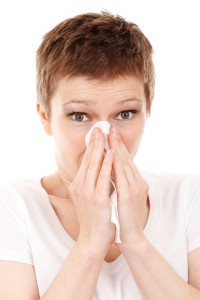 Think about it… How is it possible that a family of 5 people living under the same roof can have completely different reactions during flu season?
Assuming that everyone is exposed to the same germs and viruses, if the sickness were attributed completely to the virus, everyone would get sick and exhibit the same reaction and symptoms.
What happens in reality is that one or two family members get ill while the others don’t. Clearly the issue is not the germs, but the body’s response to them, caused by an individual’s immune system.
Chances are the last time you got sick you were running yourself ragged, missing sleep, eating improperly, slacking on your nutrition, all stressed out from work, skipping your acupuncture sessions, and neglecting your workouts. This is a vicious pattern that many of us fall into and it’s one that weakens the body and allows germs to take hold.
Your best defense against the flu, colds, or any other germ-borne illness is not to drug yourself, but to bolster your internal defenses. You stand your best chance of being at your healthiest when you have an optimally functioning nervous system and immune response.
So come in for an acupuncture tune-up, keep your lifestyle habits in good order, and maintain a positive attitude. Do so, and those pesky little germs don’t stand a chance!
Recipe for Autumn Balance
Below is a recipe to bring your body to balance in autumn. These foods will strengthen your immune system as your body becomes more susceptible to illness with the changing weather.
Butternut Squash Soup
1 large butternut squash
1 medium onion
2 cloves of garlic
1 stalk of celery
Boiled chicken meat
Salt, pepper, cinnamon, nutmeg
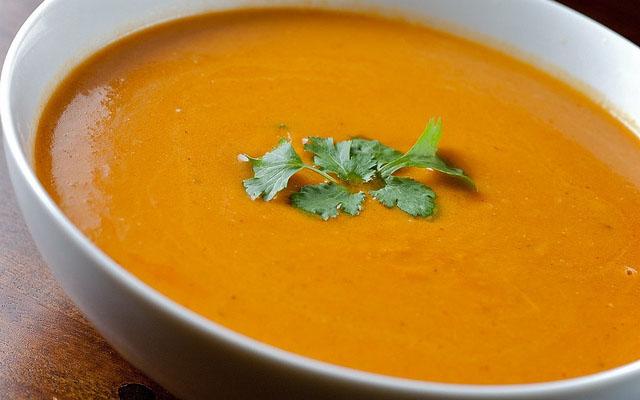
If you have a blender, blend the squash until smooth for a puree-style soup. If not, you can chop up the squash instead.
Begin by chopping up all ingredients and boiling the squash in a large pot. After the squash is mostly cooked, add the vegetables and chicken to the pot. Simmer the soup for a few minutes. When the soup is done, add spices as desired.
Butternut squash soup is not too difficult to make and contains nutrients like vitamin A to help protect your body from the upcoming flu and cold season.
3 Ways to Prepare For Seasonal Changes
 As the transition from summer to autumn begins, changes start to happen externally as well as internally. The days become shorter and the air gets cooler; our bodies change to adapt as well. Here are three ways to prepare for the fall season ahead along with the beginning of the yin cycle.
Let go of negativity
The autumn season represents the time when the lungs and large intestine are of the utmost importance. This season is especially an important time to let of negative energy in your life.
Negativity doesn’t just affect your psychological health but your physical health as well. You can help get rid toxicity in your life by being aware of the causes and surrounding yourself with positive energy and people who make you happy.
Spend time outside
Because fall is focused on the lungs, spending more time outside can help strengthen this organ and increase your immune system as cold and flu season starts to emerge.
Spend time in nature away from city pollution where you can breathe clean, cool air. Autumn time is the perfect opportunity to do this and refresh and strengthen the lungs.
Try acupuncture
Acupuncture treatment can help you physically as well as mentally prepare for the change in seasons.
Some find it difficult to let go of the summer season and transition to shorter, cooler days. Acupuncture can ease this transition and make sure your body and energy are flowing properly.
Foods for Autumn Health
FRUIT
Apple
Blackberry
Cranberry
Date
Fig
Grapes
Jicama
Mandarin Orange
Melons
Pear
Persimmon
Plum
Pomegranate
Rosehip
VEGETABLES
Bell pepper
Broccoli
Carrot
Cauliflower
Corn
Garlic
Gingerroot
Horseradish
Leeks
Onions
Parsnips
Pumpkin
Red cabbage
Rutabaga
Shallot
Spinach
Squash
Sweet potato
Turnip
Yam
GRAINS
Barley
Buckwheat
Corn
Millet
Quinoa
Rye
Wheat
NUTS
Almond
Brazil
Cashew
Filbert
Pecan
Pignolia
Pistachio
Walnut
BEANS
Adzuki
Black
Garbanzo
Kidney
Lentil
Lima